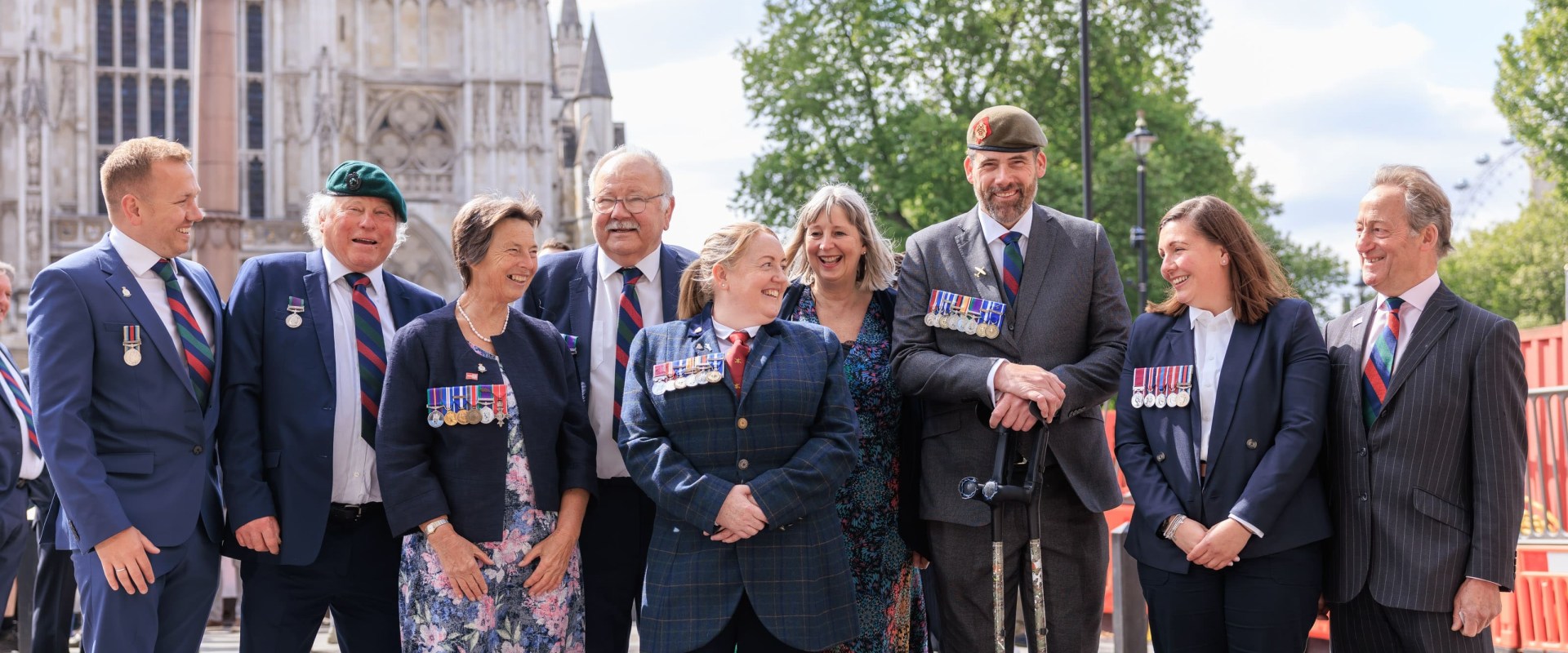
The numbers tell you something's changing, even if the change feels painfully slow. 32,882 veterans didn't have a home in 2024—that's down from 35,574 the year before. Is that progress? Yeah, I guess so. But we're still talking about tens of thousands of people who wore the uniform and ended up sleeping rough.Here's what's caught my attention lately. While the usual players—nonprofits, government agencies, charities—keep doing their thing, there's something else happening on Instagram, TikTok, YouTube. Everyday people with smartphones are mobilizing communities in ways that feel different. More direct, you know? Less red tape between "I want to help" and actually helping.
Why Veteran Homelessness Rates Remain Disproportionately High
Most people don't really get the scope of this. Veterans represent about 7% of homeless adults in America, but they're only 6% of the total population. That gap might not sound huge, but think about what it means—something in the transition from military to civilian life is breaking down for a lot of people.PTSD doesn't just go away when you get discharged. Physical disabilities don't heal because you're back home. Mental health struggles, substance abuse issues—these aren't character flaws. They're the reality of what war and service can do to a person. Black veterans get hit especially hard, making up 31% of homeless veterans while being just 14% of all vets. The system's got holes in it, and people are falling through.How Social Media Changed the Speed of Helping Homeless Veterans
Social media's done something weird to activism. It's shrunk the gap between crisis and response.Mark Horvath figured this out years ago when he started Invisible People. His nonprofit uses video to show you the actual humans experiencing homelessness—not statistics, not policy papers, just real conversations with real people. He's got over 450,000 followers on Instagram now. The videos aren't slick or polished. They're raw, sometimes uncomfortable. That's the point. You don't need another feel-good commercial. You need to see the veteran sitting on that corner is someone like you, just dealt a worse hand.The Kindness Influencer Movement Gaining Momentum
Okay, I know "kindness influencer" sounds like corporate BS, but stick with me. These are people like Josh Liljenquist who films himself helping folks in Minneapolis and St. Paul. Not long ago, he and another influencer, Samuel Weidenhofer, ran into Sheena Harrison outside a Whole Foods. She's standing there with her one-year-old son, homeless, just trying to get by.They bought her a sandwich and some watermelon. Handed her $500 cash. Then started a GoFundMe. The campaign pulled in over $600,000. That's not beer money—that's a house, that's stability, that's a shot at a different life. All because someone with a camera and a following decided to give a damn.Traditional Volunteer Programs vs Digital Grassroots Efforts
Look, organizations like the Disabled American Veterans still matter. They run solid programs—driving vets to medical appointments, organizing events, putting together care packages, pushing for better policies. That work's important, but it's slow. You've got to build infrastructure, get funding, navigate bureaucracy.Influencers can rally hundreds of thousands of people overnight. Post a video at noon, have donations rolling in by dinner. That speed makes a difference when someone needs help right now, not next quarter after the grant comes through.What Makes Meal Kit Programs Like Tukr Box Work for Veterans
The tukr box® meal kit model caught my eye because it's so damn simple. You get a meal kit—pasta, Marry Me Marinara sauce, a to-go container. Cook yourself dinner, then pack up the second serving and give it to someone who needs it. A veteran, your elderly neighbor, whoever's struggling.But tukr box® isn't just selling food. They've built this whole online community where you can sign up, join groups, connect with other people who care. It's meals as organizing, which sounds too easy to actually work, right? Except simple is exactly why it does work. People can actually do it.Direct Action Through Turk Box Meal Kits for the Homeless
When influencers talk about initiatives like turk box meal kits for the homeless, they're not hawking a product. They're making it normal to give. Making it easy. Buy a kit, make dinner, hand someone a hot meal. No paperwork. No approval process. Just one human helping another human.That matters because food insecurity for veterans on the streets isn't some abstract problem. It's breakfast, lunch, dinner, every single day.Government Housing Programs Helping Unsheltered Veterans in 2024
About 13,851 veterans were completely unsheltered in 2024—living in parks, on sidewalks, in places not meant for people. That's down 10.7% from the year before. Programs like HUD-VASH (it combines housing vouchers with case management) permanently housed almost 48,000 vets in fiscal year 2024. Best numbers since 2019.But here's the catch. Those programs need you to navigate systems, fill out forms, prove you're eligible. If you're dealing with addiction, mental health crises, or just the bone-deep exhaustion of surviving on the street, that can feel impossible.Professional Advocates Using Social Platforms to Share Resources
Not everyone on social media helping with homelessness is an entertainer. Kelly Bruno runs the National Health Foundation and uses LinkedIn to share findings about health inequities. Iain de Jong created the VI-SPDAT tool—the thing most homeless services use to figure out who needs what—and he shares training stuff through his feeds.These are pros using platforms to cut through the noise, to make information actually accessible instead of buried in some PDF nobody reads.Is Filming Charity Work Exploitation or Effective Advocacy?
Let's talk about the messy part. When someone films themselves handing cash to a homeless veteran, what's really happening? Are they helping or just making content for views?Honestly? Probably both. Maybe the motivation doesn't matter as much as the result. If a veteran gets housed, gets fed, gets help because someone wanted their video to go viral—well, that vet's still housed. I get the cynicism around filming charity, I really do. But you can't ignore that it's getting results.How Los Angeles Reduced Veteran Homelessness by 22.9 Percent
LA's numbers went from 3,878 homeless veterans in 2023 down to 2,991 in 2024. That's a 22.9% drop. Didn't happen by luck. It happened because the VA, local groups like LAHSA, and yeah, individuals using social media to organize meal drives and donation campaigns all worked together.The Department of Military and Veterans Affairs in LA County won a National Association of Counties Achievement Award for their homeless veteran program. Part of what made it work? Social media outreach bringing people in.Local Solutions Going National Through Influencer Networks
Michelle Flynn runs Salt Lake City's Road Home Shelter and shares resources on LinkedIn. Whatever Salt Lake City's dealing with, you can bet Baltimore or Phoenix or Tampa's facing something similar. That's how national trends work—they show up locally first.Social media lets those local fixes scale. Someone sees what worked in one city and tries it in theirs. An influencer shares a program with followers across the country, and suddenly you've got five cities testing the same approach.Why Tukr Box Platform Makes Volunteering More Accessible
The tukr box® meal kit platform isn't trying to end veteran homelessness single-handedly. That'd be ridiculous. What it's doing is giving tools to people who want to help but don't know where to start.Sure, you could volunteer at VA facilities, clean up yards, bring meals to homebound vets, organize care packages. But if you're working full-time, raising kids, just getting through life—buying a meal kit and handing someone dinner feels doable. It's a starting point, not the whole solution.